
Credentials
-
Why Mark S. Gold Is Considered a Pioneer of Addiction Research and Medicine
Few investigators have contributed to as many foundational advances in addiction science as Mark S. Gold. His work repeatedly changed the dominant scientific model of addiction, translated discoveries into clinical treatments, trained generations of specialists, and helped transform addiction from a stigmatized social problem into a recognized medical illness. His career is unusual in that he made seminal contributions across multiple eras of addiction research—opioids, cocaine, nicotine, food addiction, obesity, public health, physician impairment, and addiction medicine education.
1. He Created the Modern Neurobiological Model of Opioid Withdrawal
Gold's most influential early work was his development of the locus coeruleus theory of opioid withdrawal. Prior to this work, opioid dependence and withdrawal were poorly understood. Gold and colleagues demonstrated that withdrawal symptoms arose from specific neurobiological mechanisms and could be targeted therapeutically. This led directly to the use of clonidine in opioid detoxification and helped establish medication-assisted approaches to treatment. Decades later, the conceptual framework remains a cornerstone of addiction medicine.
2. He Helped Pioneer Modern Medication Treatment for Opioid Use Disorder
Gold was among the first investigators to show that clonidine could suppress opioid withdrawal symptoms and to propose sequential treatment strategies using clonidine and naltrexone. He also contributed early work on rapid detoxification and post-detoxification relapse prevention. These innovations anticipated many features of contemporary medication-assisted treatment.
3. He Changed Scientific Understanding of Cocaine Addiction
During the 1980s, many experts believed cocaine was not truly addictive because it lacked a dramatic physical withdrawal syndrome. Gold and Charles Dackis challenged that assumption and demonstrated that cocaine addiction was a serious neurobiological disorder characterized by craving, compulsive use, and relapse. This work fundamentally altered addiction theory and clinical practice.
4. He Helped Establish Dopamine as a Central Mechanism of Addiction
Gold's dopamine depletion hypothesis shifted addiction science away from a narrow focus on withdrawal symptoms and toward the biology of reward, reinforcement, craving, and pathological attraction. His work helped establish dopamine dysfunction as a central feature of addiction and influenced generations of neuroscientists studying reward circuitry. Many concepts now considered fundamental—including brain reward deficiency, compulsive drug seeking, and reward pathway dysregulation—were advanced by this research.
5. He Expanded the Definition of Addiction Beyond Physical Dependence
One of Gold's most important conceptual contributions was helping demonstrate that addiction could exist without classic physical withdrawal. By showing that cocaine addiction was driven by craving, loss of control, and reward-system dysfunction, he broadened the definition of addiction and laid groundwork for today's understanding of behavioral and process addictions.
6. He Helped Found the Science of Food Addiction
Long before food addiction became widely accepted, Gold recognized parallels between addictive drugs and highly processed foods. Working with researchers such as Bart Hoebel, Kelly Brownell, Nicole Avena, Ashley Gearhardt, and others, he helped develop the scientific framework linking obesity, overeating, reward neurobiology, and addiction. His work contributed to the emergence of food addiction as a major research field.
7. He Bridged Addiction Medicine and Obesity Treatment
Gold was among the first researchers to argue that obesity and addiction share common neurobiological pathways. This insight helped stimulate new approaches to obesity treatment and encouraged the application of addiction medicine concepts to overeating, food craving, and weight management. Today, many of the most promising obesity treatments reflect principles that his work helped establish.
8. He Extended Addiction Science Into Public Health and Environmental Exposure
Gold's research extended beyond individual addiction into population health. He conducted pioneering work on nicotine dependence, secondhand smoke, thirdhand smoke, cannabis smoke exposure, physician impairment, and substance use in Afghanistan. These studies expanded the understanding of addiction's broader societal and environmental consequences. He was a consulting expert to Rob Reiner's Prop 10 smoking initiative and the Flight Attendants' Second Hand Smoke FAMRI historic anti-smoking and anti-SHS initiatives to fund smoking and SHS research, prevention, early childhood development, and anti-smoking programs
9. He Helped Create Addiction Medicine as a Medical Specialty
Before addiction medicine fellowships, certification boards, and formal training programs existed, Gold trained clinicians through apprenticeship-based programs and academic mentorship. He later helped establish addiction medicine programs at major universities and trained many future leaders in addiction research, treatment, and policy. His influence is reflected not only in his own work but in the accomplishments of his trainees and collaborators.
10. He Helped De-Stigmatize Addiction Worldwide
Perhaps Gold's greatest societal contribution was demonstrating that addiction is a disease of the brain rather than a failure of character. Through research, public education, prevention campaigns, policy work, and expert consultation—including participation in major anti-drug media initiatives—he helped change public understanding of addiction and influenced treatment, prevention, and public policy. His work has been recognized by scientific organizations, prevention groups, the DEA, law enforcement agencies, and advocacy organizations alike. This broad recognition reflects the unusual reach of his contributions across medicine, science, public health, and society. He received a Lifetime Achievement Award from Michael Botticelli, the Obama Administration's Drug Czar, where he was recognized as the 'father of medication-assisted treatment " and Addiction Medicine
11. He Helped Use Mass Media to Change Public Understanding of Addiction
While many scientists limit their influence to academic journals and medical conferences, Gold recognized early that scientific discoveries must be translated into messages that reach the public. As an expert consultant to the Ad Council and later the Partnership for a Drug-Free America (now the Partnership to End Addiction), he helped shape some of the most influential anti-drug public service campaigns ever produced. Most notably, Gold served as an advisor during the era of the iconic "This Is Your Brain on Drugs" campaign, one of the most recognized public health messages in American history. These campaigns helped communicate emerging neuroscience findings to millions of Americans at a time when cocaine use, crack cocaine, and substance misuse were major public health threats. Rather than relying solely on moral arguments, the campaigns increasingly reflected the scientific understanding that drugs alter brain function and can hijack normal reward systems.
Gold's involvement represented a novel model of translating addiction neuroscience into public education. His scientific expertise helped ensure that prevention messages reflected contemporary knowledge about addiction, craving, compulsive drug seeking, and brain reward mechanisms. Through television, radio, print media, and public service announcements, these efforts reached audiences far beyond the medical community.
Importantly, Gold helped bridge two worlds that rarely interacted effectively: addiction science and mass communication. By bringing evidence-based addiction concepts into mainstream media, he contributed to a broader cultural shift in how Americans understood drug use, addiction, and recovery. The impact of these campaigns extended beyond prevention; they helped move public discussion away from viewing addiction solely as a moral failing and toward recognizing it as a health and brain disorder requiring treatment and prevention.
His work with the Media Partnership and related public education initiatives demonstrated that scientific discoveries can have their greatest influence when translated into language and images that the public can understand. In this regard, Gold was not only a pioneer of addiction science but also a pioneer of addiction science communication.
12. He Created 1-800-COCAINE and Helped Translate the Len Bias Tragedy Into National Addiction Awareness
Gold’s public health impact also included founding 1-800-COCAINE, one of the first national cocaine information and referral helplines. At a time when cocaine and crack cocaine were widely misunderstood, the helpline gave patients, families, clinicians, journalists, and communities direct access to science-based information about cocaine addiction, treatment, and recovery. Gold also helped interpret the national shock following Len Bias’s cocaine-related death in 1986. Bias’s death became a turning point in American awareness of cocaine’s lethality, particularly because many still believed cocaine was relatively safe or not truly addictive. Gold’s media work helped explain that cocaine could be addictive, medically dangerous, and fatal—even in young, elite, high-functioning people. Gold was an expert seen on Today, CNN, Phil Donahue, Oprah, GMA, Larry King Live, McNeil Leher, Dick Cavett, and the national Evening News on network TV explaining drugs, drug effects, drug use, and consequences. This contribution belongs with his Ad Council and Media Partnership work because it shows that Gold not only discovered new addiction science but also built public-facing systems to communicate it. Through 1-800-COCAINE, national media commentary, the Len Bias moment, and later campaigns such as “This Is Your Brain on Drugs,” Gold helped “un-sell” cocaine and other drugs by translating neuroscience into urgent, understandable public health messages. Gold and the 800-Cocaine efforts won a Silver Anvil and a 30-second Super Bowl advertisement.
Summary
If one examines the history of addiction science over the past half-century, Mark Gold appears repeatedly at critical turning points. He helped explain opioid withdrawal, helped establish medication-assisted treatment, redefined cocaine addiction, advanced dopamine-based theories of addiction, pioneered food addiction research, linked addiction and obesity, expanded understanding of secondhand drug exposure, trained generations of specialists, and helped legitimize addiction medicine as a medical discipline. Taken together, these contributions place him among the most influential addiction researchers of the modern era and one of the principal architects of contemporary addiction medicine. Gold's career as a whole has three levels of major impact:
- Discovery — changing scientific understanding of addiction.
- Treatment — changing how addiction is treated clinically.
- Communication — changing how society thinks about addiction.
Very few addiction researchers have made seminal contributions in all three domains. Gold's opioid withdrawal work changed treatment. His work on dopamine and cocaine changed neuroscience. His work on food addiction expanded the field. His involvement with the Rob Reiner, Ad Council and Partnership campaigns helped bring addiction science to the public and influenced how an entire generation understood drugs and addiction.
That combination of scientific innovation, clinical translation, and public communication is one reason many colleagues view him not simply as a leading addiction researcher, but as one of the major architects of modern addiction medicine and addiction awareness. Mark S. Gold's career is distinguished not by a single landmark discovery, but by repeatedly transforming entire areas of addiction science—from opioid withdrawal and cocaine addiction to food addiction and addiction medicine itself—while helping move addiction from the realm of stigma and moral judgment into the mainstream of evidence-based medical care.
- World-renowned Psychiatrist and Addiction Medicine Expert
- Distinguished Life Fellow, the American Psychiatric Association
- Distinguished Fellow, American College of Clinical Pharmacology
- Professor, Chief, Distinguished Professor, Eminent Scholar, Distinguished Alumni Professor, Chairman and Emeritus Eminent Scholar, University of Florida College of Medicine (retired)
- Professor (Adjunct), Washington University of St. Louis, School of Medicine, Department of Psychiatry
- National Council, Washington University in St. Louis, Institute for Public Health
- Adjunct Professor at Washington University in St Louis
- Adjunct, Clinical Professor, Departments of Psychiatry & Behavioral Science, University of Southern California, Keck School of Medicine
- Director of Research, Drug Enforcement Administration (DEA) Educational Foundation working on global drug use, abuse and addiction problems and solutions
- Doctor of Medicine (M.D.), with Honors for Research in Neurobiology and Neurosciences, University of Florida College of Medicine
- Psychiatry, Translational Research, Yale University
- Donald Dizney Eminent Scholar
- U.F. Chair of Psychiatry at the University of Florida
- University of Florida, 17th Distinguished Alumni Professor, 2011 – 2014,
- Distinguished Service Professor in the Departments of Psychiatry, Neuroscience, Anesthesiology, and Community Health & Family Medicine at the University of Florida College of Medicine
- Distinguished Fellow of the American Society of Addiction Medicine (DFASAM)
- Member, McKnight Brain Institute
- Founder, UF Center for Alcohol and Drug Research and Education (CARE)
- Co-Inventor, opiate withdrawal system; pioneer in detoxing addicts
- Co-Inventor a dopamine depletion hypothesis for cocaine addiction and craving
- Pioneered the study of second hand tobacco, opium, and cannabis smoking
- Pioneered the study of food and food constituents as addicting substances
- Researcher and innovator, treatment of hedonic overeating and obesity
- Author, over 900 medical articles, chapters, and abstracts in journals for health professionals on a wide variety of psychiatric research subjects
- Author, twelve professional books including practice guidelines, ASAM core competencies, and medical text books for primary care professionals
- Author, 15 general audience books including one best seller
- First Addiction Medicine Editor, UpToDate
- Recipient, Distinguished Alumni awards: University of Florida, 1984; Washington University, 1989 and Yale University, 2008
- Founder, UF Division of Addiction Medicine
- Founder, UF’s Florida Recovery Center
- Leader and developer, UF Addiction Medicine Fellowship program and UFCOM’s 2-week mandatory addiction medicine clerkship
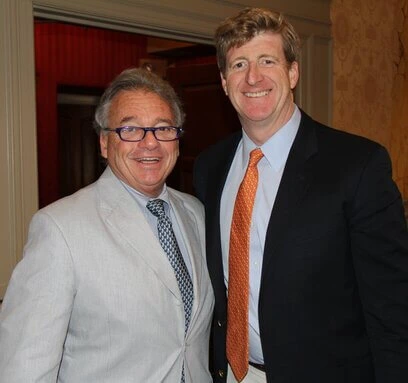
Dr Mark Gold & Patrick Kennedy work for addiction parity in Washington DC 2014
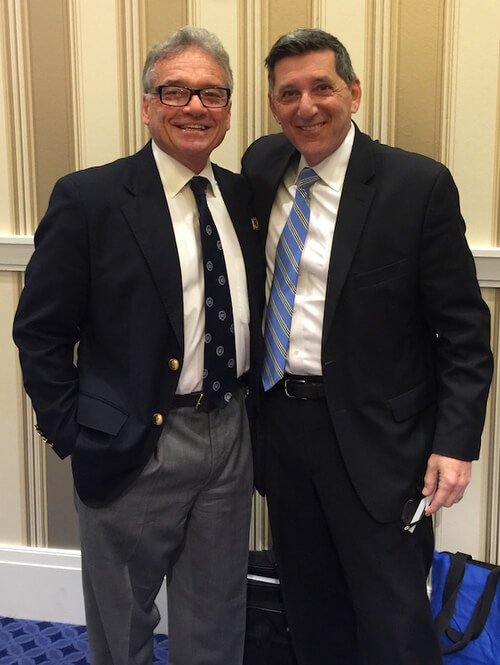
Dr. Mark Gold with Michael Botticelli, Director of the White House Office of National Drug Control Policy.
Dr Mark Gold & Patrick Kennedy work for addiction parity in Washington DC 2014
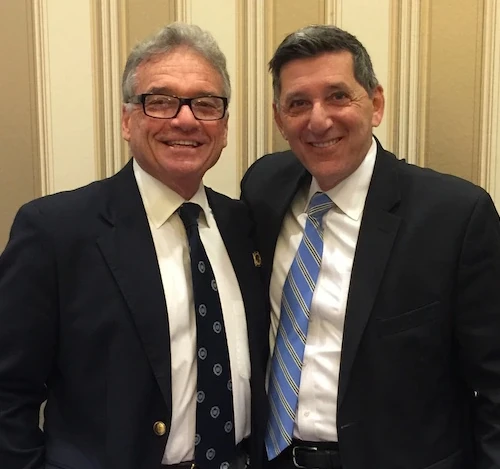
Dr. Mark Gold with Michael Botticelli, Director of the White House Office of National Drug Control Policy.
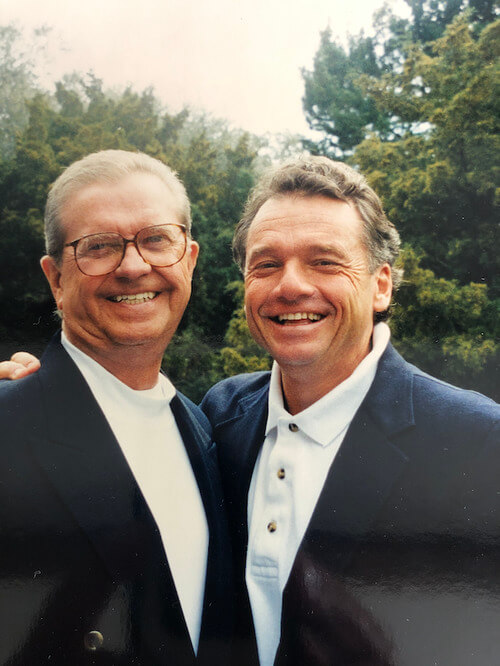
Dr. Mark Gold with Michael Botticelli, Director of the White House Office of National Drug Control Policy.
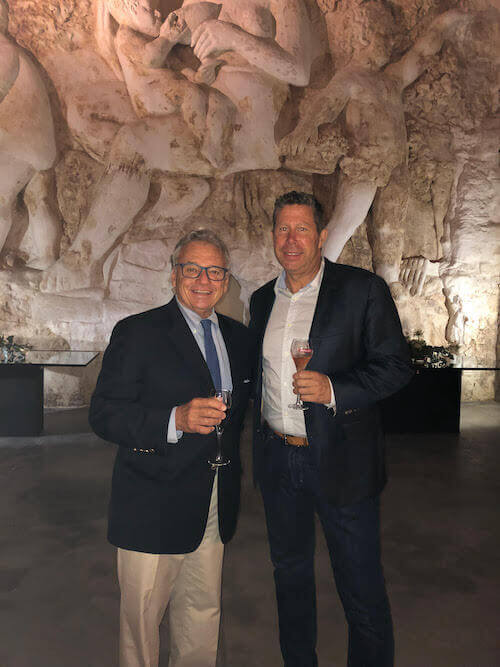
Dr. Mark Gold with Michael Botticelli, Director of the White House Office of National Drug Control Policy.