
Research Professor in the Department of Psychiatry at Washington University in St Louis.
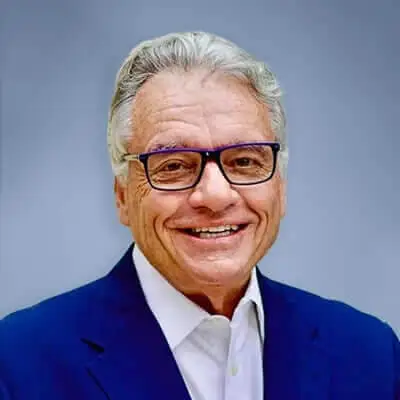
Mark S. Gold, M.D.
Mark S. Gold, M.D. is a world-renowned expert on addiction-related diseases and has worked for 50+ years developing models for understanding the effects of opioid, tobacco, cocaine, and other drugs, as well as food, on the brain and behavior.
Today, Dr. Gold continues his research, teaching, and consulting as an Emeritus Eminent Scholar & 17th University of Florida Distinguished Alumni Professor, Research Professor (Voluntary), adjunct Professor at Washington University in St Louis School of Medicine and Tulane University Psychiatry Department.
Mark S. Gold, M.D. is a world-renowned expert on addiction-related diseases and has worked for 40+ years developing models for understanding the effects of opioid, tobacco, cocaine, and other drugs, as well as food, on the brain and behavior.
Today, Dr. Gold continues his research, teaching, and consulting as an Adjunct Professor in the Department of Psychiatry at Washington University in St Louis.
Frequently Quoted & Interviewed By:







Biography & Contributions
An inventor, pioneering translational researcher, Eminent Scholar, Distinguished Professor, & Chairman whose career in translational neuroscience began in 1972.
His theories have changed the field, stimulated research, and led to new treatments.
Gold, while at the YSOM, proposed a novel brain mechanism and changes to explain opioid dependence and withdrawal, and discovered the anti-withdrawal efficacy of alpha-2 adrenergic agonists, clonidine and lofexidine.
With his Yale colleague & mentor Herb Kleber, Gold helped change addiction psychiatry to disease management, evidence-based care with MATs, and evaluation & treatment of co-occurring disorders.
He has made major contributions to Naloxone in overdose, Naltrexone, Methadone, and Buprenorphine agonist therapies in OUD. Gold’s early work proved that cocaine caused a relative dopamine deficiency, anhedonia & was addictive, changing the definition of addiction along the way. Gold and Kelly Brownell co-chaired the historic Yale Historic Conference on Food and Addiction, and the Oxford University Press textbook, developing a theory of hedonic overeating which predicted that anti-addiction medications would be new treatments for obesity and vice versa. Gold pioneered the study of second-hand tobacco, cannabis, and opium smoke, proving that second-hand smoke was first-hand smoke without consent.
The Gold Standard with Mark S. Gold, MD.
Join renowned psychiatrist and addiction expert Dr. Mark S. Gold as he hosts The Gold Standard with Mark S. Gold, MD, a compelling and insightful podcast featuring in-depth conversations with the world’s leading voices in psychiatry, addiction medicine, and innovative healthcare.
Dr. Mark S. Gold is a pioneer in addiction research due to his groundbreaking translational work that has shaped the understanding, treatment, and societal perception of addiction.
His extensive career, spanning more than five decades, has produced seminal contributions that bridged neuroscience, psychiatry, public health, and policy - culminating in profound, lasting impacts on how substance use disorders are studied and managed.
Celebrating a Pioneer:
Dr. Mark S. Gold Receives CADCA’s 2026 Lifetime Achievement Award
Each year, CADCA’s National Leadership Forum honors individuals who have shaped the landscape of substance use prevention through innovation, service, and unwavering dedication.
Among the 2026 honorees, one name stands out as a true giant in the field: Dr. Mark S. Gold, recipient of the esteemed CADCA Lifetime Achievement Award.
This award recognizes an individual whose career has had profound and sustained impact on the prevention field - a description that perfectly fits Dr. Gold’s more than four decades of groundbreaking scientific leadership.
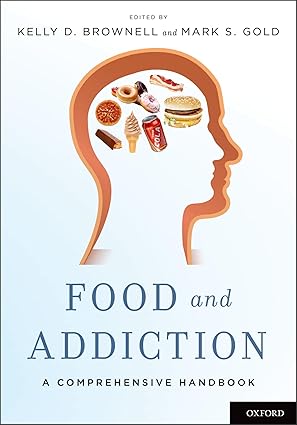
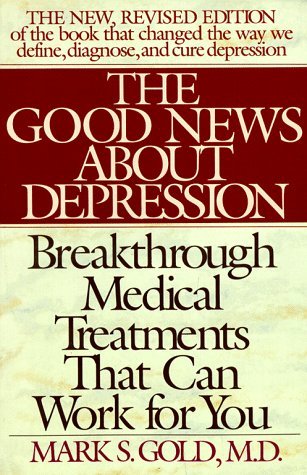
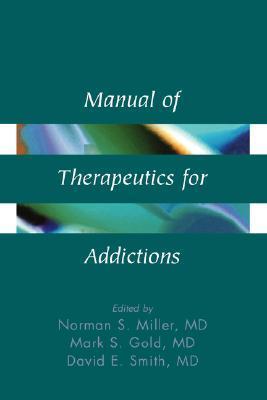
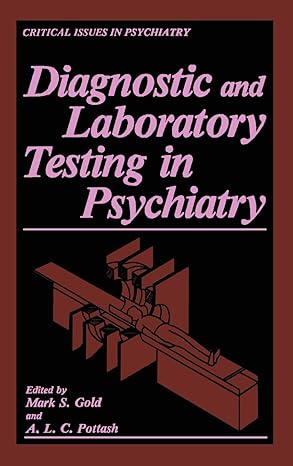
Books by Mark S. Gold

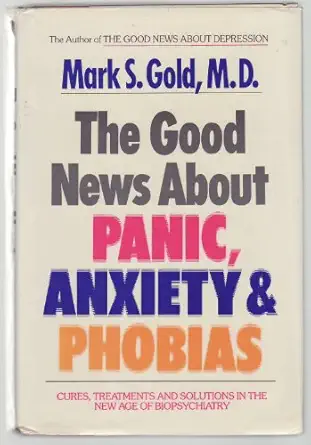
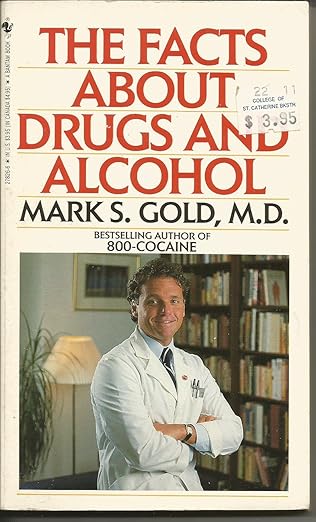
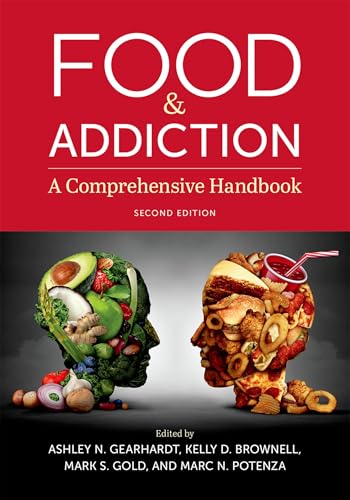
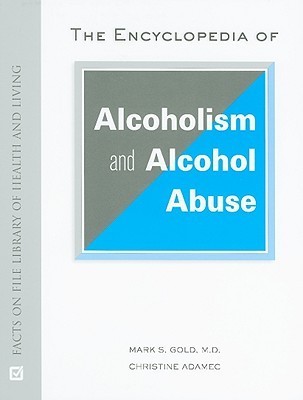
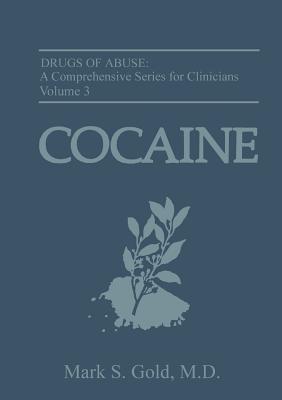

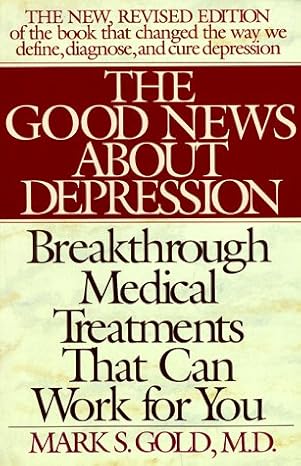
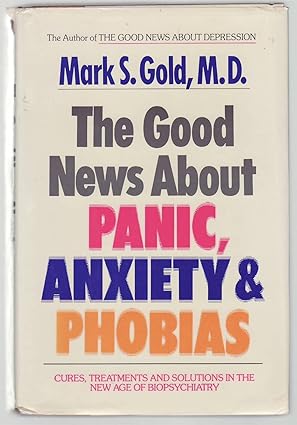
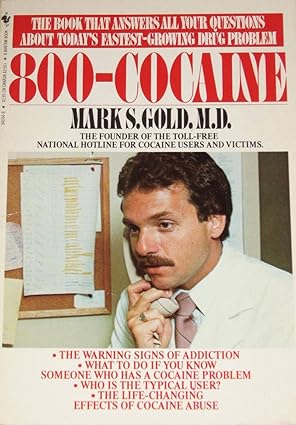

Fifty Years of Scientific Breakthroughs
For more than five decades, Dr. Mark S. Gold has been a central architect of modern addiction medicine.
His work fundamentally transformed addiction from a moral or behavioral failure into a chronic, relapsing brain disease, grounded in neurobiology and amenable to medical treatment.
Across opioids, stimulants, food, cannabis, and professional health, From Washngton University in St Louis to the University of Florida to Yale University School of Medicine, Gold consistently bridged bench neuroscience, clinical innovation, and public policy, reshaping both medical practice and societal understanding.
He began his work in neuroanatomy, locus coeruleus, and drug studies in the early 1970s. He was awarded the Faculty Research Award at the University of Florida College of Medicine in 1975 for his research on amphetamine and state-dependent memory.
The Major Breakthoughs
Neurobiology of Addiction: Foundational Brain Disease Models
Noradrenergic Model of Opioid Withdrawal
Gold’s earliest landmark discovery identified the locus coeruleus as the brain’s central “alarm system” driving opioid withdrawal.
Key Insight:
Opioid withdrawal is mediated by noradrenergic hyperactivity, not opioid deficiency alone.
Clinical Translation:
He pioneered and patented the use of clonidine, later lofexidine, as the first non-opioid, non-addictive treatment for opioid withdrawal.
Global Impact:
Alpha-2 adrenergic agonist detoxification remains a worldwide standard, particularly in settings where opioid substitution is contraindicated.
Paradigm Shift:
Withdrawal could be treated without treating opioid dependence - an idea considered radical at the time.
The Dopamine Depletion Hypothesis of Addiction
Gold was the senior author on the seminal work demonstrating that cocaine addiction was real and is driven by dopamine depletion.
Scientific Breakthrough:
- Cocaine produces profound dopamine exhaustion, causing the “crash”, dysphoria, and compulsive craving.
- This explained why cocaine -once considered “non-addictive” - produced extreme relapse.
Unifying Theory:
Dopamine became the common currency of addiction, linking drugs, gambling, and compulsive eating.
Later Validation:
Human PET imaging by Nora Volkow confirmed reduced dopamine D2 receptors across addictions.
Clinical Consequence:
Cocaine was added to the DSM as an addictive drug in the DSM-5. Detoxification alone is not treatment; recovery requires prolonged neurobiological healing.
The Major Breakthoughs
Translational Treatment Models
The Professional Monitoring (“Gold Standard”) Model
Gold helped design the modern treatment paradigm for safety-sensitive professionals (physicians, pilots, executives) with his early work in 1978.
Core Elements
- Rapid non-opioid detoxification (clonidine/lofexidine)
- Long-term naltrexone as biological relapse insurance
- Total abstinence (vs maintenance therapy), diet and exercise
- Frequent, random toxicology testing
- Mandatory peer support (e.g., IDAA, NA or AA)
- Five-year monitoring contracts
Outcomes
- Recovery rates of 70–90%, unmatched in addiction medicine
- Demonstrated that impaired physicians could return safely to practice
This work laid the scientific foundation for modern Physician Health Programs (PHPs) and influenced the guidelines of the American Society of Addiction Medicine showing that addiction recovery was not easy but possible with coordinated long-term treatment.
Landmark PHP Outcomes Research
Gold co-authored the definitive longitudinal study of physician health programs (904 physicians, 16 states).
Key Findings
- ~78% remained entirely substance-free over five years
- 72–79% retained medical licensure
- 95% success among contract completers
- Relapse was typically brief and rapidly corrected
Policy Impact
- Validated long-term monitoring as treatment
- Shifted medical boards from license revocation to rehabilitation
- Established the PHP model as the global gold standard
The Major Breakthoughs
Addiction Beyond Drugs
Food Addiction & Ultra-Processed Foods
Gold, at the Yale Historic Conference on Food and Addiction, was among the first to argue that hedonic overeating follows the same addictive neurocircuitry as cocaine.
Neurobiology
- Sugar and ultra-processed foods trigger dopamine and opioid signaling
- Naloxone precipitates withdrawal in sugar-dependent animals
Key Mentees and Collaborators
- Nicole Avena – mechanistic animal models
- Ashley Gearhardt – clinical measurement
Standardization
- Promotion of the Yale Food Addiction Scale (YFAS)
- Co-editor of Food and Addiction: A Comprehensive Handbook
Legacy
- Food addiction moved from a fringe hypothesis to a measurable clinical entity
- Demonstrated biological—not moral—drivers of compulsive eating
The Major Breakthoughs
Public Health, Epidemiology & Media Translation
1-800-COCAINE: Epidemiology at National Scale
Gold co-founded the 1-800-COCAINE helpline, producing the first massive epidemiologic proof of cocaine addiction.
- >1 million callers
- Documented addictions, compulsive use, loss of control, suicidality
- Identified white-collar addiction and first report of a new way to use cocaine- crack
- Just having 800-COCAINE proved that cocaine was not safe or the champagne of drugs but rather as addicting as any
This initiative bridged laboratory science with real-world intervention, replacing fear-based messaging with data and access to care.


Public Education & Policy Influence
As a scientific advisor to the Partnership for a Drug-Free America, Gold ensured that national drug messaging reflected brain science rather than moralism.
- This Is Your Brain On Drugs
- Shifted public narrative toward dopamine and neuroadaptation
- Regular national media expert and voice after the Len Bias tragedy
- Frequent national media educator across television and print
The Major Breakthoughs
Cannabis, Smoked Drugs & Environmental Exposure
Smoked Drugs as Neurotoxins
Gold has consistently framed smoked substances—tobacco, cannabis, opium—as environmental neurotoxins.
- Demonstrated second- and third-hand opium exposure causing opioid absorption in children
- Highlighted passive cannabis exposure risks
- Emphasized adolescent vulnerability to high-potency THC
Definitive Evidence Reviews
Gold co-authored major, field-defining reviews evaluating cannabis and cannabinoids as medicine, including a comprehensive JAMA 2026 review.
- Identified low-quality evidence and inconsistent dosing
- Called for pharmaceutical-grade trials
- Provided clinicians with an evidence-based counseling framework
The Major Breakthoughs
Methamphetamine does not just cause "chemical imbalance", but a physical brain injury similar to Traumatic Brain Injury (TBI)
In 2009, Dr. Mark Gold and Dr. Jean Lud Cadet (Chief of Molecular Neuropsychiatry at NIDA) co-authored a landmark review featured on the cover of Biological Psychiatry titled "Methamphetamine- and Trauma-Induced Brain Injuries: Comparative Cellular and Molecular Neurobiological Substrates".
By reclassifying methamphetamine use disorder as a form of acquired brain injury,
Gold and Cadet argued that treatment must shift:
Rehabilitation Focus: Instead of simple detoxification, they advocated for long-term cognitive and physical rehabilitation similar to that used for TBI patients.
Pharmacological Targets: Their discovery of shared molecular pathways suggested that future drugs for meth addiction might include calpain and caspase inhibitors originally designed for stroke or head trauma.
Exercise as Medicine: Gold has specifically championed exercise as a way to promote "brain health" and recovery from this injury by stimulating neurogenesis and reducing inflammation.
IMPACT: This work is now the standard for understanding the structural damage caused by stimulants and explains why "recovery" from meth can take significantly longer than other substances.
The Major Breakthoughs
Enduring Scientific Legacy at Washington University in St Louis, University of Florida, Yale University and Beyond
- Distinguished Alumni Award from all of his alma mater
- Founder, Division of Addiction Medicine, University of Florida
- Founding member, McKnight Brain Institute
- 1,000 peer-reviewed publications
- 40,000 citations; H-Index 99 among the top 10 cited addiction researchers in the world
- Mentor to Chairs, Professors, and multiple national leaders in psychiatry, addiction,and neuroscience
CONCLUSION:
Across opioids, cocaine, food, cannabis, and professional health, Dr. Mark Gold repeatedly delivered the same transformative insight: addiction is a brain disease—predictable, measurable, and treatable. His career stands as one of the most sustained and consequential translational achievements in modern medicine. He received the 2026 CADCA Lifetime Achievement Award for his scientific contributions, which have made evidence-based prevention , education to prevention, possible and successful.
Professional Endorsements

"Mark Gold, MD is an internationally renowned expert on obesity and human energy requirements."
American Society of Bariatric Physicians
"Since Dr. Mark Gold’s career in translational research began in the early 1970s, his work has laid the foundation for others who followed in addiction research."
American Society of Addiction Medicine, 2015

"Dr. Gold is recognized as a leading expert on addictions, overeating, and intervention risk-benefits and is “a prominent addiction researcher."
The Wall Street Journal

"Mark S. Gold, M.D. is the most prolific and brilliant of the addiction experts writing today. Dr. Gold has spent his career trying to bridge the gap in medical education and practice with the belief that addictions are diseases and that all physicians have a critical role in prevention and, if that fails, in early identification and prompt treatment."
Journal of the American Medical Association (JAMA)

"Dr. Gold is widely recognized as a leading expert on addictions, overeating, intervention and risk-benefits and treatment. He has been described as a national leader, pioneer, distinguished researcher and expert for many decades."
Washington University in St. Louis
School of Medicine
"Ideas accepted as fact today, such as the notion that cocaine is addictive, are common knowledge largely because Gold has proven them."
Robert L. DuPont, M.D.
Nation’s First Director of the National Institute on Drug Abuse (1973-1978)
White House Drug Chief (1973-1977)
"Mark Gold was my academic mentor, suggesting readings, helping me with research design and my scientific writing. He was my Chief of Service, even while I was on the Mount Sinai School of Medicine Faculty. I am sure Dr. Gold has done this for scores of other current experts, but he always had the time, energy and asked for nothing in return."
Stuart Gitlow, MD, MPH, MBA, DFAPA
Executive Director, Annenberg Physician Training Program,
Chair of the AMA’s Council on Science and Public Health &
Clinical Professor of Psychiatry at the Mt Sinai School of Medicine
"Dr. Mark Gold is a pioneering researcher, inventor, and one of the founders of the addiction medicine specialty but he has also helped numerous hopelessly addicted physicians get their lives together, become trained in addiction medicine, and practice. My story was like hundreds of other MDs, but I made it from hopeless to full U.F. Professor and Chief of Addiction Medicine."
Scott A Teitelbaum, MD, FAAP, FASAM
Professor and Vice Chair, Department of Psychiatry Professor &
Chief, Division of Addiction Medicine Medical Director, Florida Recovery Center